property
Beijing Rezones Shijingshan Industrial Belt Into Residential Commercial Zones
A proposed land-use overhaul would convert swathes of Shijingshan's former industrial belt into high-density residential and commercial zones, drawing intense scrutiny from planners and homebuyers alike.
How we reported this
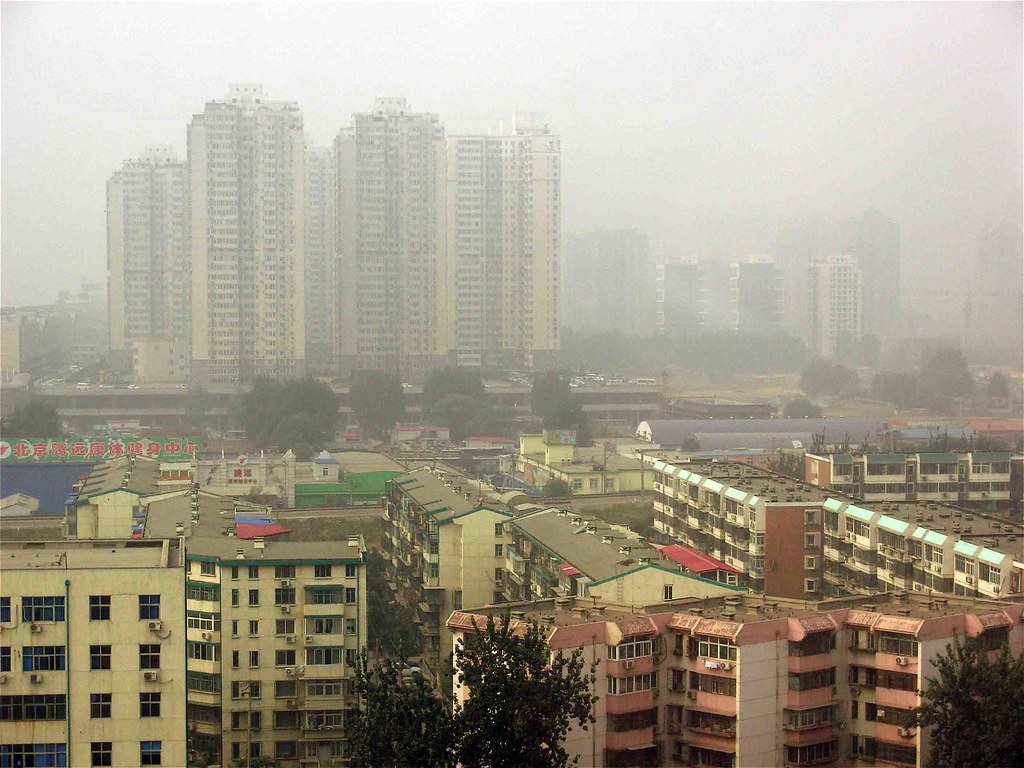
Beijing's municipal planning authority is advancing a rezoning proposal for Shijingshan District that would redesignate roughly 340 hectares of underused industrial and warehouse land along the Yongding River corridor for mixed residential, commercial, and cultural use. If approved at the city council level this autumn, the plan would represent the most significant land-use shift in the district since the closure of the Shougang steel complex began in 2010.
The timing matters because Shijingshan has spent the better part of fifteen years in an awkward holding pattern, post-industrial in practice but still classified as industrial on the zoning maps that govern what developers can build and what prices they can charge. That classification gap has suppressed land auction prices in the district and deterred the mid-to-high-end residential developers who have poured capital into Chaoyang and Haidian. A formal rezoning would remove that ceiling overnight.
What the Proposal Actually Changes
The draft plan, circulated internally by the Beijing Municipal Commission of Planning and Natural Resources, targets three contiguous zones: the old Shougang North Area near Shijingshan Road, the warehousing belt running south toward Gucheng Metro Station on Line 1, and a strip of vacant land abutting the Capital Steel Museum site. Under the current zoning code, residential floor-area ratios in those pockets are capped at 1.5. The proposal would lift that ceiling to 3.5 in two of the three zones, effectively tripling permitted building density.
For comparison, Lize Financial Business District in neighbouring Fengtai, a precinct that underwent a comparable rezoning cycle between 2018 and 2022, saw average new-build residential prices climb from approximately RMB 48,000 per square metre at the start of that reclassification process to north of RMB 72,000 per square metre by the time the first major residential towers reached pre-sale stage. Shijingshan currently averages closer to RMB 55,000 per square metre for new residential product, according to data published by the Beijing Municipal Bureau of Statistics in its Q1 2026 housing report released in April.
The Shougang Park redevelopment, which hosted venues for the 2022 Winter Olympics and has since attracted tech tenants including short-video and gaming firms along its 813-metre lakefront promenade, has already demonstrated that the western fifth ring corridor can command premium valuations when master-planning is coherent. The proposed rezoning would essentially extend that logic southward and eastward through the rest of the district.
Who Stands to Gain, and What Comes Next
Several large state-owned developers with existing land positions in Shijingshan, including plots held through Beijing's annual residential land supply programme, would benefit directly from the density uplift. Land parcels that were acquired at industrial-use valuations could be re-appraised and refinanced at residential rates, improving project economics considerably. That dynamic has already attracted attention from analysts tracking Beijing's land auction calendar, where Shijingshan plots have appeared with increasing frequency since late 2024.
Residents of existing communities near Bajiao Amusement Park and along Yuquan Road are watching the process closely. Higher density zoning historically brings improved retail and transit investment, the proposed plan references a new bus rapid transit spine along Shijingshan Road, but it also raises concerns about construction disruption and the adequacy of school and hospital provision in a district whose public infrastructure was scaled for a population anchored around heavy industry, not residential density.
The Beijing Municipal Commission of Planning and Natural Resources is expected to open a formal public comment period in August, with a target date of October 2026 for submission to the municipal government for final review. Prospective buyers considering the district should track the official Beijing Regulations and Policies Information Portal for the comment notice, and consult the Q2 2026 land supply bulletin, due later this month, to see whether any Shijingshan parcels are listed under the new use classifications. What is clear is that the window between a rezoning announcement and the first price adjustment in any given Beijing submarket has historically been short.
This article is general information only and is not personal financial or investment advice. Consider your own circumstances and seek licensed professional advice before making financial decisions.