news
Beijing Accelerates Municipal Infrastructure Development
New investment drives 300 key projects across the capital to enhance connectivity and flood resilience.
How we reported this
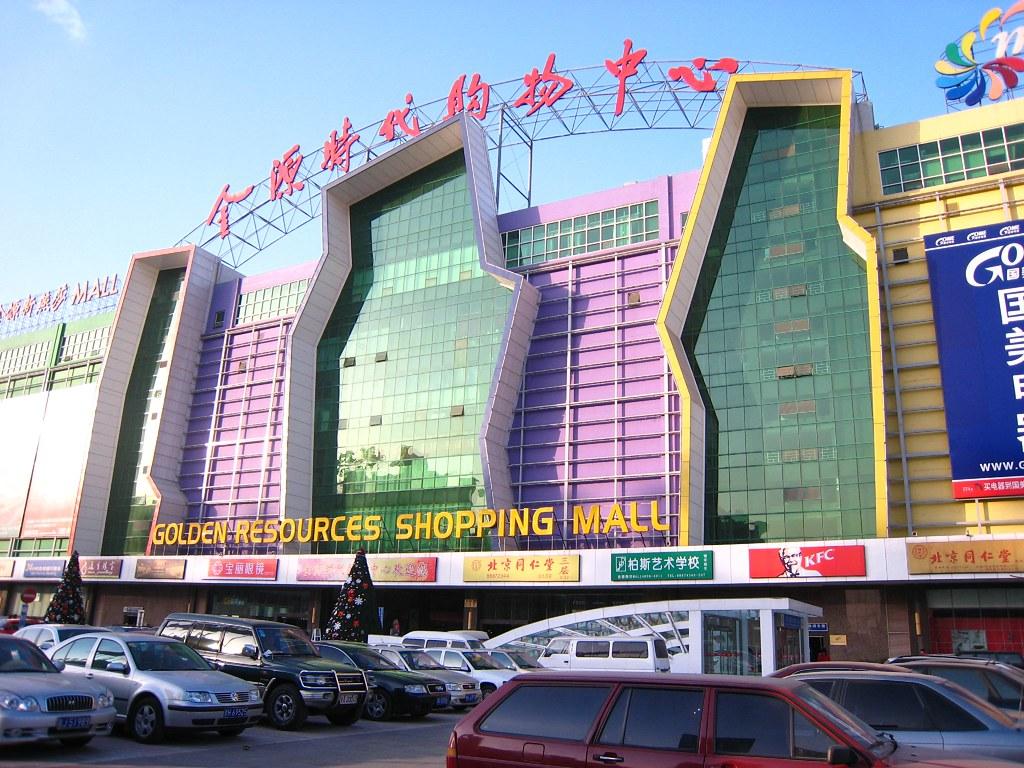
Beijing has initiated an extensive phase of urban development, launching 300 municipal key projects in 2026. This massive undertaking involves a planned investment of over 300 billion yuan, approximately $41.6 billion, aimed at reinforcing the city's long-term infrastructure. The initiative includes 100 major projects that focus on refining the city's complex network of rail, subway systems, highways, and urban roads to better serve the regional population.
Expanding Transit Networks
Public transportation upgrades remain a primary focus for municipal planners. Following significant progress recorded in 2025, Beijing Subway Line 13 stands out as a pivotal development. Recognized as the largest subway upgrade in the country, the project successfully added nine stations and topped off eight, reaching 98% main structure completion for the Houchangcun-Tiantongyuandong section. Authorities are currently working toward the commencement of initial operations on this route. Complementing these rail upgrades, the Beijing Sub-center comprehensive transportation hub is currently under construction. Once completed, this facility is projected to become the largest of its kind in Asia, designed to serve the broader Beijing-Tianjin-Hebei region.
Highway Infrastructure and Flood Resilience
Efforts to improve road connectivity include the high-profile reconstruction of the East Sixth Ring Road. This project features the construction of China's longest urban highway tunnel. A 7.4-kilometer underground shield tunnel has been completed using the "Yunhe" tunnelling machine, forming a central part of a total project length measuring approximately 16 kilometers. Furthermore, the G108 New Line Expressway is currently under full construction. Spanning 59.5 kilometers, the expressway features 41 bridges, 20 tunnels, and nine interchanges. With all tunnels and interchanges now active, the project is expected to enhance both regional connectivity and critical flood control capabilities, supporting economic development in the areas it traverses.
As these large-scale projects progress, the focus for the remainder of the year will remain on the completion of remaining construction milestones. Residents and commuters can expect continued monitoring of these sites as they approach their operational phases, ensuring that the 300 key municipal projects meet their intended goals for urban integration and improved transportation efficiency.