news
Beijing’s Streamlined Governance Brings Tangible Benefits to Residents and Businesses
Cutting red tape and refining regulations under the 14th Five-Year Plan is making the city more efficient, livable, and responsive to community needs.
How we reported this
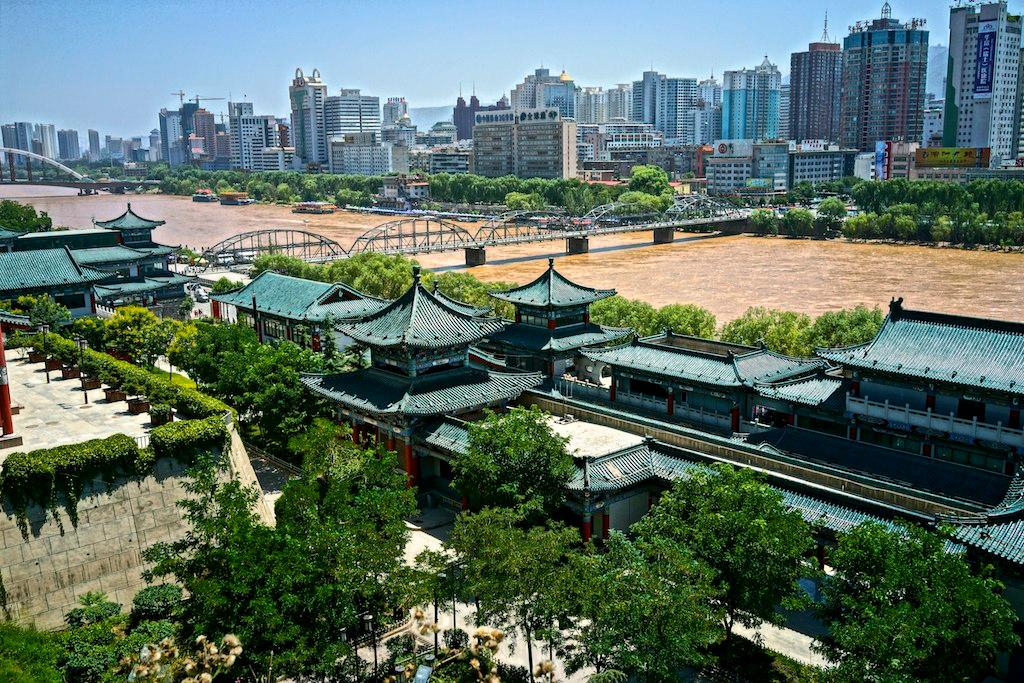
Beijing’s local government has undertaken a sweeping effort to improve administrative efficiency and community well-being by reviewing over 2,100 administrative documents throughout the 14th Five-Year Plan period (2021-2025), resulting in a significant reduction of legal inconsistencies and a more streamlined bureaucracy, according to the city’s official government report.[1]
These reforms come at a time when Beijing’s authorities are keenly focused on creating a “people-centered modern city” that is not only innovative and smart but also livable and culturally rich. This aligns with the city’s 2026 government work report, which prioritizes balanced urban development and enhanced public services to directly benefit local residents and businesses.[5]
Lowering Administrative Burdens to Boost Local Economies
A key component of the reform has been the implementation of a “minimal interference” list covering 550,000 businesses across Beijing. This targeted approach has cut unnecessary government inspections by 74.6% year-on-year, effectively freeing business owners from redundant oversight while simultaneously improving issue detection rates to 28.4%, enhancing regulatory effectiveness.[2] For local entrepreneurs, this means fewer disruptions and faster processing times, allowing them to focus on growth and innovation.
Furthermore, the government has reviewed hundreds of administrative documents to align them better with actual governance needs, reducing confusion caused by contradictory or outdated regulations. This is especially important for small and medium-sized enterprises (SMEs) embedded in Beijing’s diverse neighborhoods whose day-to-day operations often struggled under previous regulatory complexity.
Legal Reforms and Community Impact
Since 2021, Beijing has enacted 178 local regulations addressing everything from urban governance to public services. Notable among these are new laws focused on protecting cultural heritage and managing special development zones, known locally as the “two zones”.[3] Such measures safeguard historical sites and guide urban growth thoughtfully-preserving the city’s identity while accommodating modern needs.
Public trust is also being reinforced through pragmatic approaches to minor legal infractions. Over 1,000 penalty exemptions or leniency provisions were applied to first-time, minor offenses, resolving more than 20,000 public complaints that might otherwise have escalated. This shift underscores the city’s commitment to fair, proportionate governance that values community harmony and reduces bureaucratic friction.[4]
These regulatory adjustments reflect Beijing’s broader urban strategy outlined in its 2026 economic and social targets. Besides nurturing a business environment with dedicated spaces for young entrepreneurs and affordable housing solutions, the city is also aiming for 5% growth in Gross Regional Product (GRP) and keeping urban unemployment below 5%, areas where streamlined administration can play a significant role.[5]
Air quality remains a concern, with PM2.5 target concentrations around 29 micrograms per cubic meter, highlighting the need for governance that balances development with livability-a key aspect of the city’s future plans.
Looking Ahead: What This Means for Residents
For Beijing’s residents, these governance reforms translate into a more predictable and supportive environment. Businesses face fewer unnecessary hurdles, and residents benefit from clearer regulations that protect their cultural heritage and improve public services. The reduction in administrative paperwork and inspections also means city departments can focus their resources on resolving more serious or complex issues, enhancing overall government responsiveness.
The city's focus on a ‘people-centered modern city’ will continue to influence policy decisions through 2026 and beyond. Residents can expect ongoing improvements in urban management, including expanded support for youth entrepreneurship, better housing provisions, and sustained efforts to maintain environmental quality.
While no dramatic overnight changes occur, Beijing’s systematic reforms build on incremental gains that collectively improve daily life in this historic yet evolving metropolis. Residents and business owners alike should monitor official channels for specific new guidelines and benefit from programs designed to ease administrative burdens.