news
Beijing Handles Crises, Drives Growth Like Top Global Cities
Heavy rain evacuation, a rare aircraft crash, and industry milestones highlight how Beijing manages crises and innovation in a way that aligns with top international cities.
How we reported this
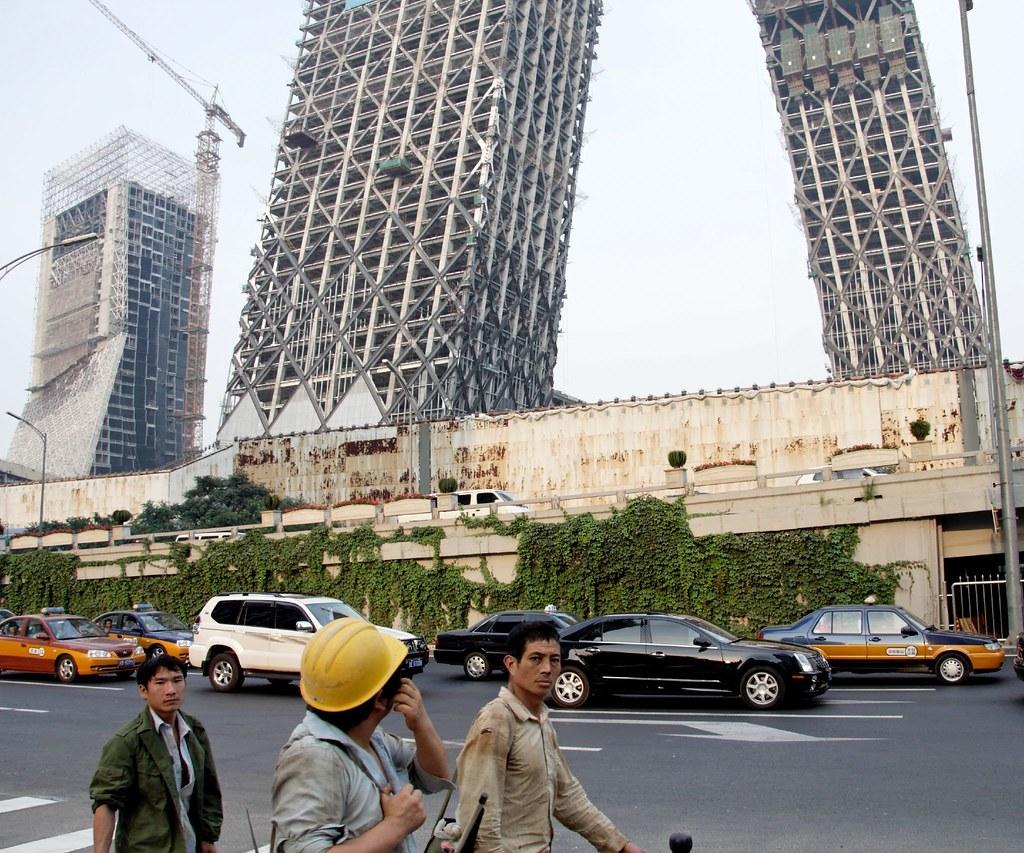
Beijing faced a challenging week as it activated a Level-I flood control emergency response across nine of its districts, evacuating nearly 100,000 residents due to heavy rainfall brought by moisture from Typhoon Bavi, according to local authorities [1]. This high-level response came amid a rare aviation incident, where a small aircraft struck the city’s tallest skyscraper on Friday afternoon, prompting swift evacuation measures [2]. Meanwhile, Beijing’s dynamic economic sectors, notably pharmaceutical and healthcare, reported a revenue of 1.13 trillion yuan in 2025, affirming the city’s leading status within China [3].
Critical Emergency Responses Under Pressure
The flood control effort launched on July 14 demonstrated Beijing’s capacity to mobilize resources quickly and prioritize citizen safety when confronted with extreme weather events. The Level-I alert encompasses the highest possible emergency status, covering nine urban districts vulnerable to flooding. Nearly 100,000 residents were relocated as a preemptive safety measure, indicating the scale and seriousness of the threat. This approach reflects an emphasis on preventive evacuation strategies seen in other major international capitals facing climate impacts, where early warning systems and mass evacuations are key to reducing casualties and damage [1].
Adding to the city’s crisis challenges, last Friday a small aircraft struck the China Zun Tower, Beijing's tallest skyscraper, triggering evacuation protocols in the central Chaoyang district. Reports indicated the pilot had suffered from insomnia and anxiety, with personal diary entries revealing suicidal thoughts prior to the event [2]. This rare incident underscores the importance of mental health considerations intersecting with public safety in complex urban environments. Beijing’s rapid response to secure the area minimized further risk, drawing comparisons with major world cities that have emergency aviation procedures for urban accident scenarios.
Economic and Technological Advances Bolster City Resilience
While managing immediate risks, Beijing continues to push forward in sectors key to its regional and national prominence. The pharmaceutical and healthcare industries generated 1.13 trillion yuan in revenue during 2025, a figure that leads the country and highlights the city’s role as a bio-innovation hub [3]. This robust economic performance brings a level of financial stability necessary for funding infrastructure improvements and disaster preparedness.
Complementing this economic strength, Chinese scientists recently set a world record for power conversion efficiency at 28.04% with a new kind of solar cell, showcasing cutting-edge renewable energy research supported locally [4]. Such advances are critical as Beijing and other global cities grapple with energy security and sustainability amid growing climate pressures. This positions Beijing similarly to advanced technology centres worldwide, where innovation is integral to urban resilience frameworks.
Additionally, tourism trends point to Beijing’s increasing global connectedness. In 2024, more than 20 million foreign visitors entered China without a visa-nearly one-third of all visitors and double the prior year [5]. This surging openness contrasts with other global cities that maintain stricter entry controls, and it reflects Beijing’s strategy to boost its international profile and economic diversification.
Looking Ahead: Preparedness and Innovation Remain Focus
Beijing’s recent challenges and accomplishments illustrate a city balancing immediate emergency response demands with long-term development goals. Urban planners and government officials face the ongoing task of refining flood control infrastructure and mental health support systems, learning from both domestic data and international best practices regarding extreme weather and urban safety.
Residents and businesses alike are advised to stay informed via official channels during severe weather periods and to participate in community-based drills and preparedness initiatives. Meanwhile, Beijing’s investments in healthcare, clean energy, and tourism will be crucial for sustaining economic vibrancy and elevating quality of life against the backdrop of growing urban risks.
Compared to other major cities globally, Beijing’s integrated approach to rapid emergency mobilization combined with continued innovation and openness underlines its evolving capacity to handle the multifaceted pressures of the 21st century.