news
Voices from Beijing’s Community Reflect on Recent Global and Regional Conflicts
Residents of Beijing consider the local impact of escalating international conflicts and political decisions.
How we reported this
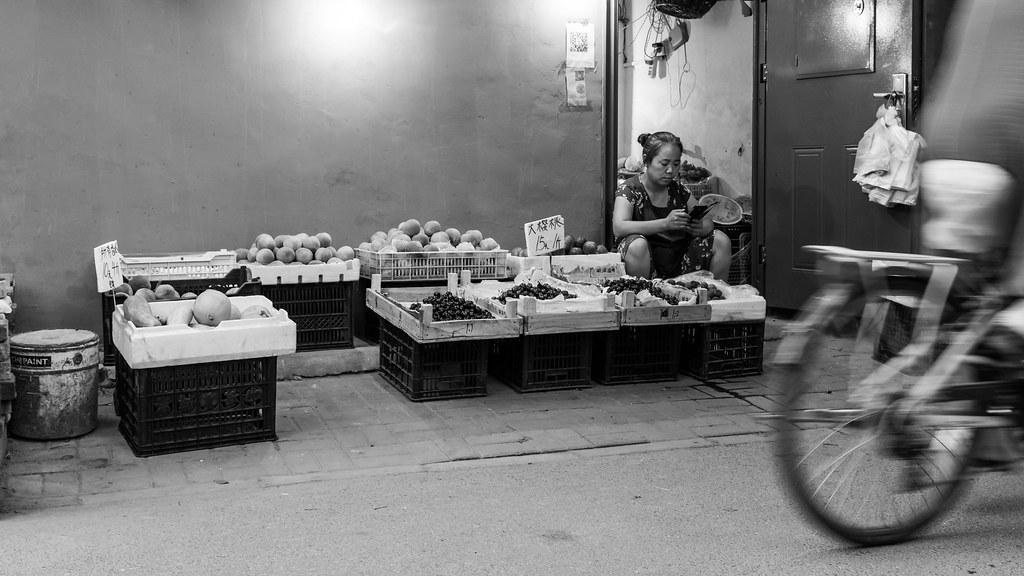
Amid ongoing hostilities in the Middle East and shifting international alliances, members of Beijing’s community have been reflecting on the ripple effects these conflicts may have on the local populace and broader city life. The continuing strikes involving the U.S. and Iran, coupled with geopolitical tensions surrounding vital trade routes, have resonated even here in Beijing, prompting discussion about security, economic stability, and international relations.
Global Conflict’s Local Echoes
The conflict between the United States and Iran, which has seen exchanges of military strikes over a number of consecutive days, commands attention far beyond the immediate region. The strategic importance of the Strait of Hormuz and the implications of potential trade route blockades have become pressing concerns for governments and citizens alike. These developments matter to Beijing residents as disruptions in global oil supplies and international trade could affect local markets and economic conditions.
In Beijing, where international trade and diplomatic relations are intricately linked to the city’s economic health, the conflict underscores the critical need to monitor and understand foreign policy developments. Conversations within local institutions and among community groups often touch on these international concerns, highlighting the interconnected nature of global politics and everyday lives. Neighbourhoods across the city, from Chaoyang to Haidian, feature cultural organisations and civic groups that regularly engage in talks and panels addressing China’s role within this complex geopolitical landscape.
Community Reflections and Practical Considerations
While Beijing experiences no direct impact from the conflict geographically, residents and officials acknowledge indirect effects such as price fluctuations and supply chain concerns. These issues influence day-to-day activities and can affect the availability and cost of imported goods, including essentials sold at local markets and retail venues. Institutions like the Beijing Chamber of Commerce and the China International Trade Promotion Committee have noted increased discussions on contingency planning and economic resilience related to global instability.
Though precise economic figures linked to the conflict's impact on Beijing have not been publicly detailed, the general sentiment from trade bodies and consumer advocacy groups indicates cautious optimism mixed with vigilance. The city’s robust infrastructure and local government preparedness contribute to managing potential challenges without major disruptions.
Looking ahead, community members are encouraged to stay informed about international developments through trusted local media channels and public forums. The municipal government continues to promote initiatives that strengthen Beijing’s economic diversity and community stability to better withstand international uncertainties. Engaged residents and businesses alike play a role in navigating these complex times by adapting to changing circumstances while fostering dialogue on China’s evolving place in global affairs.