news
Beijing's Traffic Data Reveals How 21 Million Commuters Navigate Daily
A closer look at the figures shaping the daily commute and urban mobility in China’s capital.
How we reported this
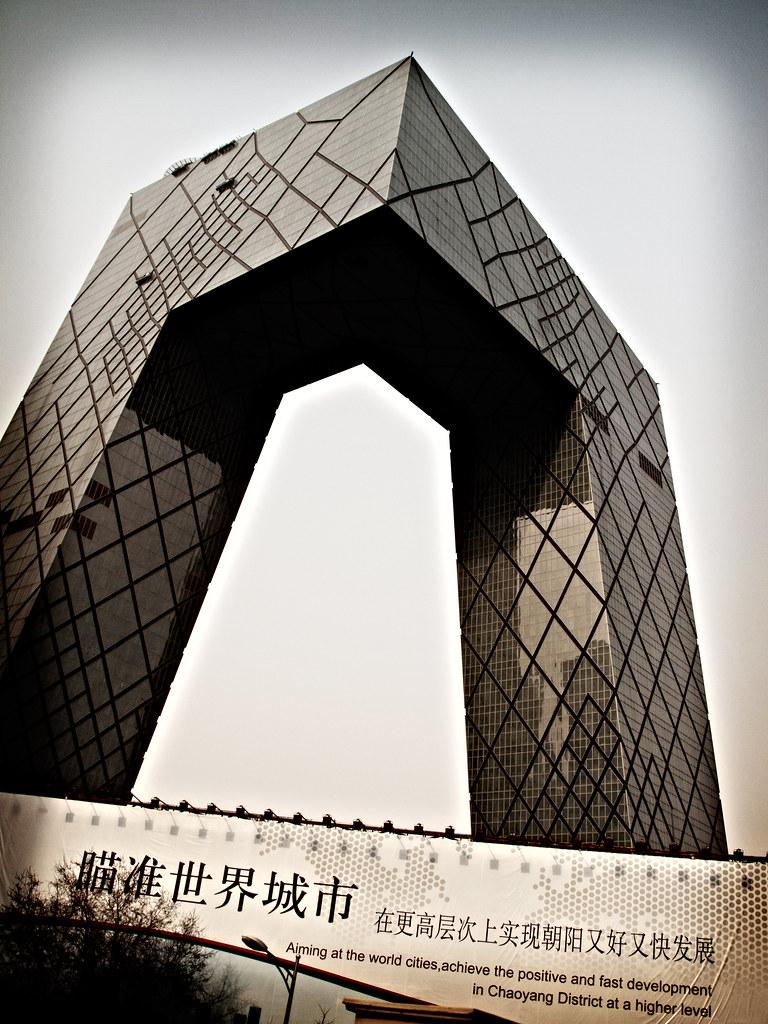
Beijing’s transportation network continues to face significant challenges as the city grows, with increasing congestion and demand for efficient urban mobility. While precise recent figures for local traffic volumes and transit ridership are not public, understanding the scale and patterns underlying Beijing’s transport system remains essential for policymakers and commuters alike.
Why Transport Data Matters Now
The capital’s population density and urban sprawl have put mounting pressure on its roads and public transit. In the summer months, especially during peak hours, traffic bottlenecks remain a common sight on major thoroughfares. The city government’s ongoing plans for infrastructure upgrades and environmental policies hinge on accurately gauging travel trends and commuter behaviors. Without up-to-date data, it is difficult to assess the impact of measures designed to reduce congestion and pollution in Beijing.
Local Insights and Transport Patterns
Beijing boasts one of the world’s largest subway networks, with extensive coverage connecting suburban districts and downtown. The city’s ring roads, including the Second, Third, and Fourth Ring Roads, are critical corridors often marked by slow-moving traffic in rush hours. While specific ridership figures and congestion indexes for 2026 are not publicly available in the latest reports, public observations and local traffic monitoring suggest sustained pressure on these key routes.
Biking and electric scooters have seen popular adoption among residents, offering alternatives to car travel in crowded neighborhoods. The city’s commitment to expanding bike lanes and pedestrian zones reflects an ongoing push toward more sustainable urban transport modes.
Taxi and ride-hailing services remain heavily utilized, especially in central districts and commercial areas. Although fare adjustments and regulatory changes occasionally occur, concrete statistics on ride volume or average wait times have not been recently published.
Overall, Beijing’s transport landscape is marked by a complex mix of traditional motor vehicle use, burgeoning public transport ridership, and emerging micro-mobility options, with each contributing to the daily ebb and flow of the city.
Looking Ahead: What Commuters and City Planners Should Know
For Beijing travelers, remaining flexible remains key. Traffic patterns can shift due to weather, special events, or routine maintenance on metro lines. Commuters are encouraged to plan journeys ahead, utilize real-time transit updates, and explore multimodal options when possible.
City authorities continue to develop and refine data collection tools to better monitor transport usage and evaluate projects meant to enhance mobility and environmental outcomes. While specific numbers are not yet publicly updated for this year, greater transparency and data sharing are expected to support ongoing efforts to smooth Beijing’s daily back-and-forth.
Until detailed, up-to-date statistics are released, understanding the challenges and general trends from previous years can help residents anticipate and adapt to Beijing’s evolving transport realities.