news
Beijing Expands Metro Network: Key Transport Changes This Week
A summary of recent changes and ongoing trends shaping transport and traffic in the Chinese capital this week.
How we reported this
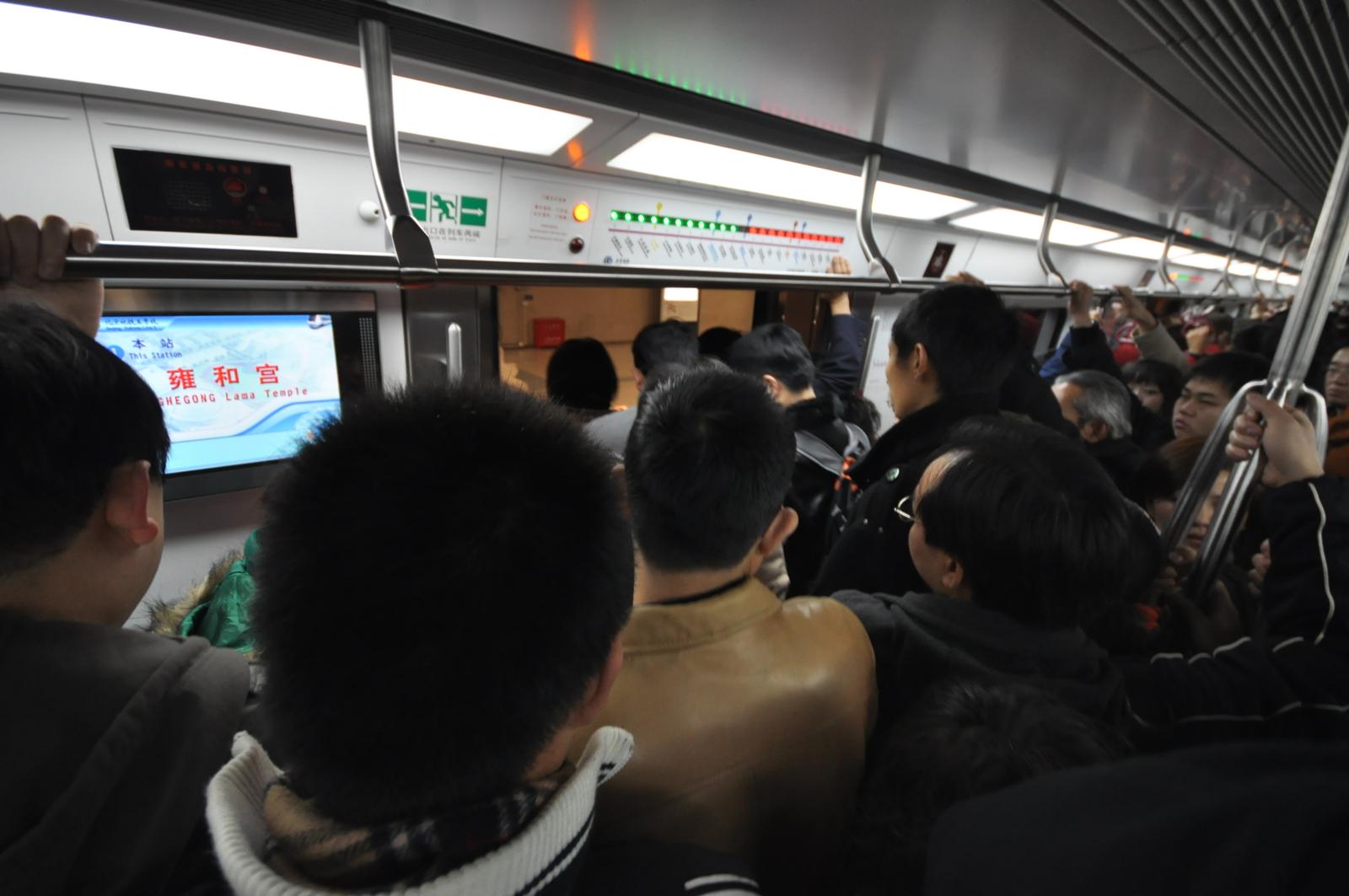
Beijing witnessed ongoing traffic management initiatives and discussions about urban mobility improvements this week, reflecting continued efforts to ease congestion and enhance public transportation accessibility.
Heightened Focus on Traffic Efficiency Amid Summer Peak
This week’s developments come amid heightened attention to Beijing’s traffic challenges during summer months when congestion typically increases. Although no major new policies were formally announced, several local districts are reported to have intensified enforcement of existing traffic regulations and launched information campaigns aimed at educating drivers and commuters about congestion mitigation practices. Roadworks and infrastructure maintenance projects in multiple neighbourhoods have also played a role in shaping traffic patterns this week, impacting flow particularly during rush hours.
The cornerstones of Beijing's transport strategy remain consistent with previous years: prioritizing public transit usage, regulating private vehicle movement, and improving traffic signal coordination. Such measures connect to the city's overarching goals of reducing air pollution and travel times, which national and local officials continue to address at various administrative levels.
Local Insights: Community and Infrastructure Impact
In neighbourhoods such as Chaoyang and Haidian, residents have noted increased station staffing at major subway stops, aligning with traditional summer spikes in commuter volumes. Meanwhile, surface road traffic in areas around key commercial centers like Wangfujing appears to be moderated by temporary restrictions on heavy vehicle passage during daytime hours, though these measures are periodically enforced depending on traffic monitoring outcomes. The municipal transportation bureau supports these interventions with targeted messaging on social media platforms to keep the public informed, although detailed schedules of such measures are not routinely published.
The interplay of infrastructure upkeep and traffic control is evident around ring roads such as the Third Ring Road, where maintenance closures and diversions have temporarily redirected flows onto secondary streets. Such detours often intensify congestion on residential routes, impacting local communities. However, no reports of significant incidents or disruptions beyond these adjustments have surfaced this week.
Current Evidence and Practical Advice for Commuters
While no precise data on traffic volume changes has been released this week, general observations and local reports suggest that increased commuter awareness and local government efforts help moderate peak congestion levels despite ongoing challenges. Without access to new statistical measurements or quantitative analyses within this week’s period, qualitative assessments rely on the visible redistribution of traffic and continued promotion of public transit alternatives.
For Beijing residents and visitors navigating the city this week, practical advice includes planning journeys outside of peak hours, utilizing subway services that maintain high frequency even during summer, and keeping abreast of local transport bureau announcements via official channels. Monitoring smartphone navigation apps for real-time traffic conditions can aid in avoiding bottlenecks caused by periodic roadwork and enforcement activity.