news
Local Voices Reflect on Community Impacts Amid Ongoing Crises
Beijing residents share their perspectives as the city and world confront concurrent emergencies and uncertainties.
How we reported this
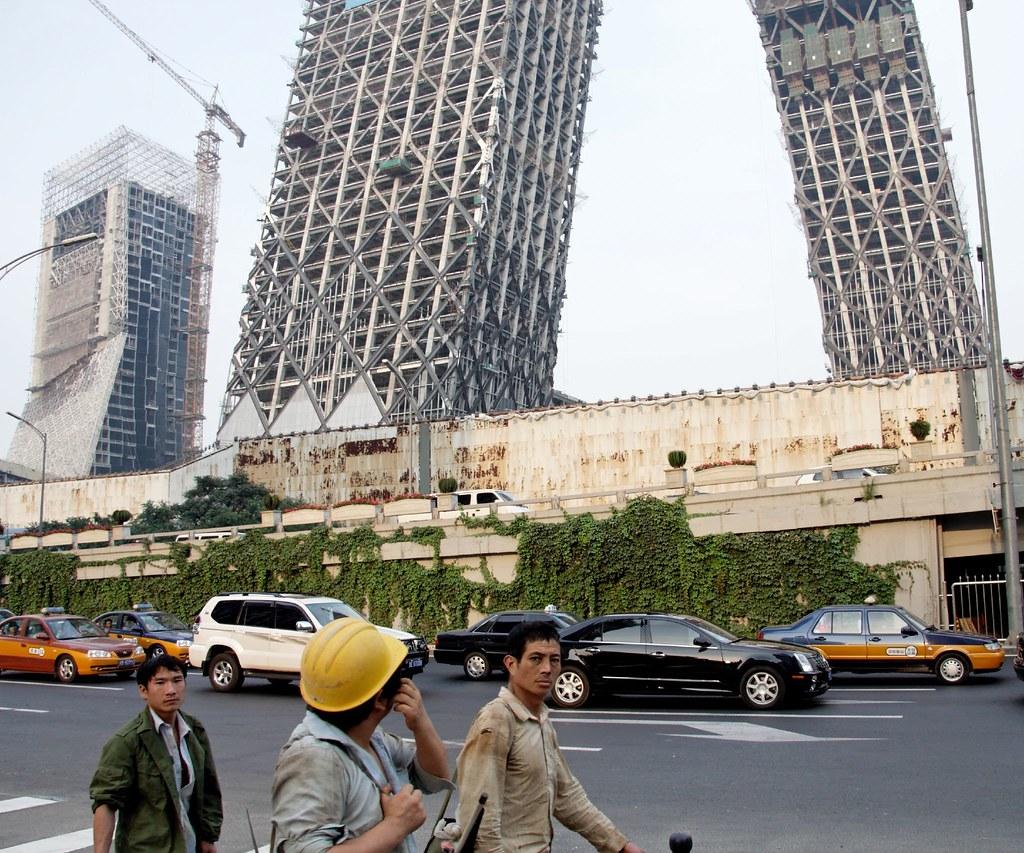
The residents of Beijing, like many communities worldwide, are absorbing the ripple effects of multiple crises unfolding on the international stage. Against the backdrop of recent tragic events, including a deadly fire in Bangkok and escalating tensions in the Strait of Hormuz between the United States and Iran, local voices reveal a layered sense of concern and reflection in the capital.
Struggles and Solidarity in the Shadow of Global Events
While Beijing has not been directly affected by the recent violence in the Middle East or the fire catastrophe in Bangkok, many residents say these distant events resonate deeply, influencing conversations and sentiments in neighbourhoods across the city. This collective attentiveness to global turmoil has implications for local community wellbeing and government responsiveness, especially in matters of public safety and international diplomacy.
Community hubs in areas such as Chaoyang and Haidian have seen increased local dialogues, with residents gathering in informal settings to discuss how such abrupt tragedies highlight vulnerabilities in urban management and emergency preparedness. Some residents express hopes that Beijing’s emergency services and urban planners will draw lessons to further safeguard the city.
Concerns Over Safety and International Stability
The incident in Bangkok, where at least 27 people lost their lives in a bar fire, is a somber reminder for Beijing locals about the importance of fire safety enforcement. Locals in Dongcheng district, home to numerous cultural venues and nightlife spots, report a surge in awareness among their communities about personal and public safety. Neighbourhood committee members and community centres have reportedly begun outreach to encourage safety education, though formal statistics on participation have yet to emerge.
Meanwhile, the ongoing exchanges of strikes between the US and Iran in the Strait of Hormuz, a critical maritime passageway, garner attention in Beijing’s policy circles and among residents following international news. Discussions in local academic settings and think tanks hint at apprehension over potential disruptions to global trade, which indirectly touch Beijing’s economy and supply chains, though no immediate effects have been confirmed within the city.
Beyond academic and informal discussions, ordinary citizens voice a mixture of anxiety and resilience. Some remark on the unpredictability of global affairs, while others note a strengthened resolve to support communal solidarity at home. The palpable sense of uncertainty has led many to emphasize the value of local connections and social support networks.
As Beijing continues to monitor international developments, local government officials and community leaders underscore the importance of education, communication, and preparedness. Civic centres across the city are adapting programs to reinforce community safety values and encourage neighbourly cooperation.
With global instability persisting, residents can expect ongoing public information campaigns from city authorities focusing on emergency readiness and civic engagement. While external geopolitical tensions remain beyond Beijing’s immediate control, local consensus prioritizes fostering community resilience to weather any indirect impacts.