news
Beijing Commute Times Jump 23 Percent as Metro Lags Vehicle Growth
New transport data reveals the capital's average commute time has jumped 23 percent in three years, outpacing the pace of subway construction.
How we reported this
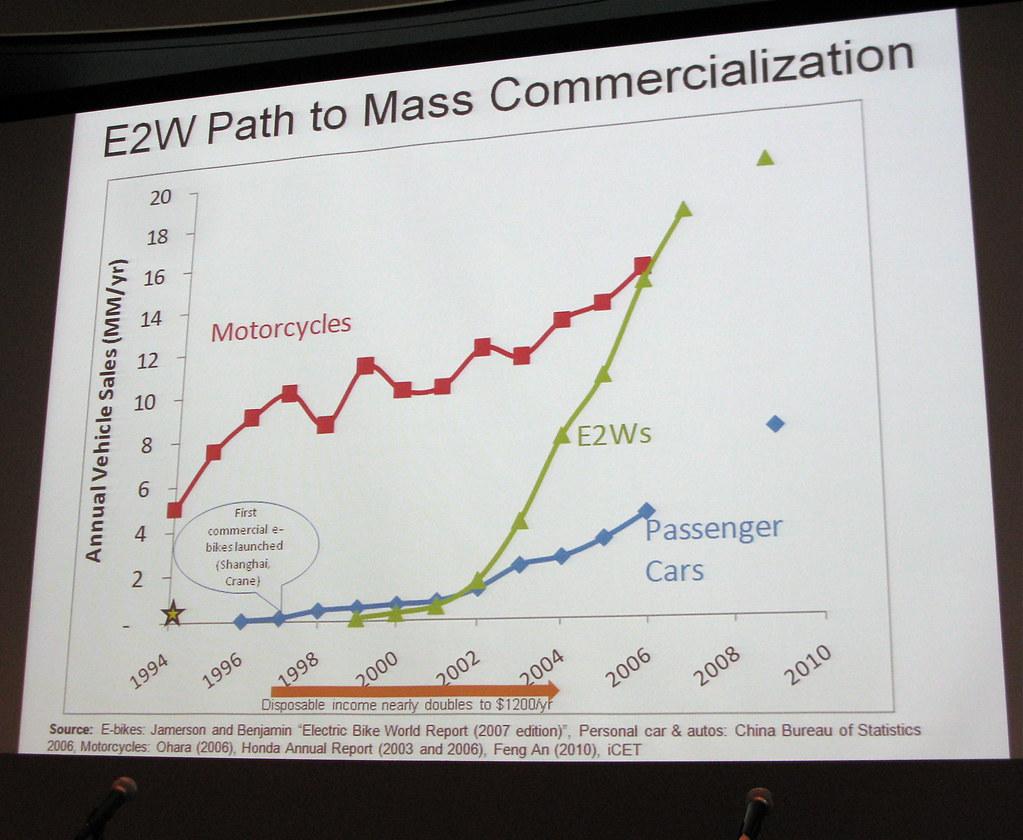
Beijing residents are spending more time stuck in traffic than ever. The latest transport authority figures show average commute times hit 52 minutes during peak hours in 2026, up from 42 minutes in 2023. For the 11 million people who work in the central business districts of Chaoyang and Xicheng, the daily grind has become genuinely grinding.
The timing matters now because city planners are at a critical juncture. The Beijing Municipal Transportation Commission released its five-year development plan last month, committing 180 billion yuan to transit improvements through 2031. Yet the numbers tell a sobering story: while private vehicle ownership grew by 340,000 cars last year alone, the metro system added just 24 kilometers of track. The math doesn't work.
Where the Bottlenecks Are
The problem clusters around specific corridors. Commuters traveling from Daxing District into the city center now average 68 minutes during morning rush, according to traffic flow data compiled by the Transport Research Institute of Beijing. The Jingfeng Expressway, which connects Huairou in the north to the CBD, saw congestion increase on 187 days last year compared to 142 days in 2024. Meanwhile, the 104-kilometer Second Ring Road-running through Chongwen, Xuanwu, and Chaoyang-experiences full blockage roughly four times per week.
The metro system, long considered the city's lifeline, simply cannot absorb the overflow. Line 1, which opened in 1971 and remains the busiest route, now carries 2.7 million passengers daily. Engineers measure capacity in bodies per square meter. During the 7:30 to 8:30 AM window on weekdays, trains from Sihui Station eastbound operate at 130 percent designed capacity. That means people standing in the aisles, in doorways, and on platform edges waiting for the next train.
Numbers That Reveal the Real Cost
Beijing's official 2025 transport census found that 64 percent of workers commute by private vehicle or taxi, while only 28 percent use the metro system. This split explains why road congestion has become the city's defining transportation problem. The average fuel cost for a daily 30-kilometer commute now exceeds 2,400 yuan per month, making car ownership economically inefficient for many households.
Yet the vehicle registration cap-held at 100,000 new plates annually since 2010-creates perverse incentives. Used car prices in Beijing have climbed 18 percent since 2023, with three-year-old vehicles fetching prices comparable to new cars in Shanghai due to scarcity. The lottery system for new vehicle plates means the average wait time to secure permission to buy a car stands at 8.2 years.
The metro expansion programme faces its own constraints. The 15 new stations planned for completion by 2028 will add 34 kilometers of service, according to the Beijing Municipal Commission of Transport's project timeline. But demographers project the metropolitan area workforce will grow by another 1.2 million people by 2030. Even with aggressive expansion, transit ridership will remain stretched.
For daily commuters, the practical takeaway is simple: leave earlier or change routes. Apps like Amap and Baidu Maps now integrate real-time congestion data to help users avoid peak bottlenecks. Many employers in Chaoyang and Haidian districts have shifted to four-day compressed schedules or flexible hours to flatten morning demand.
The transport authority's five-year plan includes extending Line 7 north into Changping District and accelerating the Ring Expressway upgrade project. But without stricter vehicle registration controls or major shifts in land use patterns, the numbers suggest Beijing's commute times will continue climbing faster than infrastructure expands.