culture
Beijing's Food Heritage Drives Growth in Creative Districts
Street-level cooking practices and heritage programs are turning neighborhoods into centers for new artistic and design work.
How we reported this
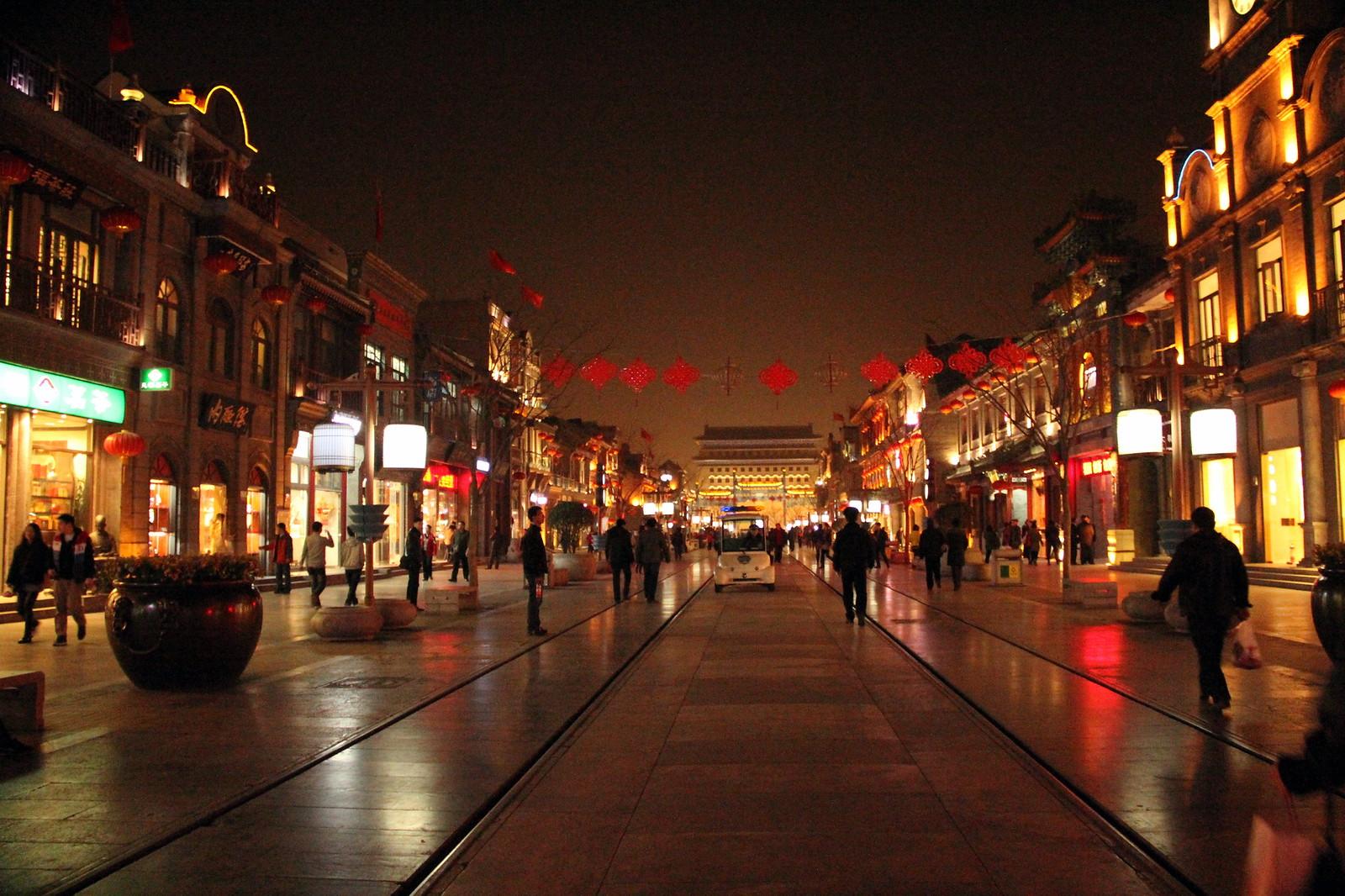
Workshops reviving Beijing's traditional zhajiangmian preparation opened last month at three sites along Qianmen Street, drawing 4,200 registered participants by July 10.
The timing coincides with city efforts to expand cultural output in established hutong zones while global supply chains for ingredients face new pressures from distant conflicts and weather events. Local organizers report that these sessions now pair recipe instruction with collaborations between chefs and visual artists who document the process through photography and projection mapping.
One program operates from the restored courtyard at the Nanluoguxiang Food and Art Collective, where participants learn to hand-cut noodles before moving to adjacent studios to create installations using the same ingredients. A second initiative runs through the Dongcheng District Culinary Heritage Program at the edge of the Shichahai lakefront, offering weekly classes that link historic sauce recipes to contemporary product design for local ceramic brands.
Beijing Municipal Culture Bureau figures released in June show food-linked creative enterprises increased 22 percent between 2024 and 2025, with average first-year operating costs listed at 185,000 yuan for small studios combining kitchens and exhibition space. Ticket prices for the Qianmen workshops start at 68 yuan per session.
Hutong Residencies Expand
Residency spots at the Nanluoguxiang site now require applications six weeks in advance, and the Dongcheng program has added evening slots to accommodate working designers from the nearby 798 Art District. Both locations host public tastings on weekends that double as networking events for emerging makers.
Next Steps for Visitors
Interested residents and travelers can register for the July sessions through the Dongcheng District office website or at the Nanluoguxiang courtyard entrance before 5 p.m. on weekdays. Advance booking is required for groups larger than four.