finance
Beijing Market Trends Offer Mixed Signals for Businesses in Q1 2026
Office vacancy drops amid softer rents; retail vacancy edges up as landlords adjust; housing sees signs of recovery after previous price declines.
Listen in English · 4 min
How we reported this
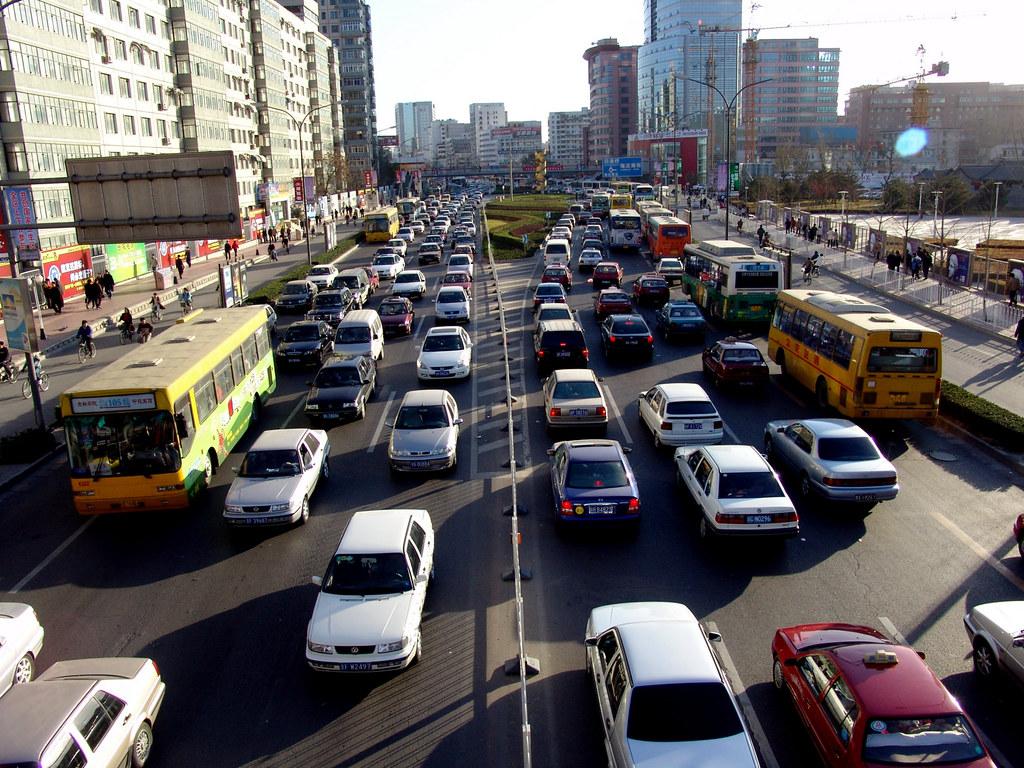
Beijing's commercial property market showed signs of cautious improvement in the first quarter of 2026, led by a decline in Grade A office vacancy rates to 15.79%. However, rental prices continued to soften, reflecting a complex environment for landlords and tenants alike. Meanwhile, the retail sector saw urban vacancy rates rise slightly to 5.6%, with rents contracting due to concessions offered by landlords. On the residential side, second-hand home prices rose modestly by 0.6% in March, signaling a gradual recovery from the steep luxury apartment price declines recorded the previous year.
Why These Trends Matter Now
The mixed signals across Beijing's commercial and residential property markets come at a time when the city is actively rebalancing its economic growth strategy and optimizing its business environment. After a challenging 2024 and 2025 marked by oversupply and cautious consumer demand, the first quarter of 2026 suggests that city planners and market participants are adapting to new conditions. The government's RMB 300 billion injection through long-term special treasury bonds in 2025 to stimulate consumption and boost leasing demand is also expected to influence market dynamics moving forward.
For businesses, understanding where supply tightens or softens-and how pricing moves-is critical for planning occupancy costs and investment timing. Retail landlords grappling with rising vacancies and softening rents are revising strategies to attract or retain tenants through rent concessions, signaling a tenant-friendly environment that could benefit new retail ventures.
Details From Beijing's Market Data
In the office sector, the drop in vacancy to 15.79% was driven by net absorption of 13,891 square meters of Grade A space, signaling a stronger demand especially in key business districts. Despite this, average monthly rentals dipped 2.6% quarter-on-quarter to RMB 200.31 per square meter, indicating landlords are adjusting pricing to keep pace with changing market conditions [1].
On the retail front, new supply additions continue to rise, with 14 projects delivering 1.37 million square meters of retail space in 2024 and an additional 1.05 million square meters forecast for 2025. This increased supply, mainly in suburban and non-prime submarkets, contributed to the urban vacancy climbing to 5.6%. Rents declined by 2.0%, reflecting landlords’ increasing willingness to offer concessions to secure tenants and manage their occupancy rates amid modest consumption growth [2]. Notable urban renewal projects such as Daxing Xin Chen Place South Zone and Changping Hopson West Zone reopened in early 2025 after upgrades, aiming to stimulate local retail activity.
Residential prices have shown contrasting trends. Luxury apartments experienced a 3.1% price drop in Q3 2025 despite record sales volumes and supply exceeding 3,300 units, due to significant discounts [3][7]. However, recent data from March 2026 indicates a steady 0.6% increase in second-hand home prices, marking a slow but positive shift from previous downward pressure and signalling modest market recovery [4].
Practical Takeaways for Businesses and Investors
Companies evaluating office space in Beijing should balance the lower vacancy rates against the slight softening in rents. Tenants may find negotiating leverage, but need to act as landlords adjust pricing strategies amid a still dynamic demand environment.
Retailers considering expansion should be aware of the continuing supply growth and neighborhood upgrades that might affect foot traffic patterns and rental terms. Incentives such as rent concessions could present opportunities, especially in projects undergoing revitalization in suburban areas.
Investors in residential property, particularly in the luxury segment, should monitor how inventory levels and discounts influence prices. The recent uptick in second-hand prices signals potential market stability, though caution remains prudent given the sector’s volatility in recent quarters.
Moreover, with Beijing’s government fostering entrepreneurship through dedicated spaces and youth housing initiatives, businesses connected to these sectors may find supporting policies beneficial. The RMB 300 billion consumption stimulus bond allocation from 2025 underscores state efforts to energize leasing demand and consumer markets, a factor that could enhance medium-term market confidence.
In sum, Beijing’s mixed real estate signals suggest a selective recovery where strategic choices regarding location, property type, and timing are key for businesses navigating current market conditions.
This article is general information only and is not personal financial or investment advice. Consider your own circumstances and seek licensed professional advice before making financial decisions.
References Sourced but Not Limited to:
- research.jllapsites.com · Q1 2025 retail beijing
- research.jllapsites.com · Q3 2025 residential beijing
- chinadaily.com.cn
- finance.yahoo.com · Property industry remains enemy within 093000527
- joneslanglasalle.com.cn · Jll beijing 2025 h1 property market review
- itiger.com · News
- global.chinadaily.com.cn
- english.www.gov.cn · Content WS69b77932c6d00ca5f9a09eba
- assets.cushmanwakefield.com · Beijing retail marketbeat q4 2024 final