finance
Beijing’s Employment Indicators and Investment Flows in 2026: A Clear Overview
The capital’s job market shows stability amid sector shifts, with targeted growth in key industries shaping economic investment patterns.
How we reported this
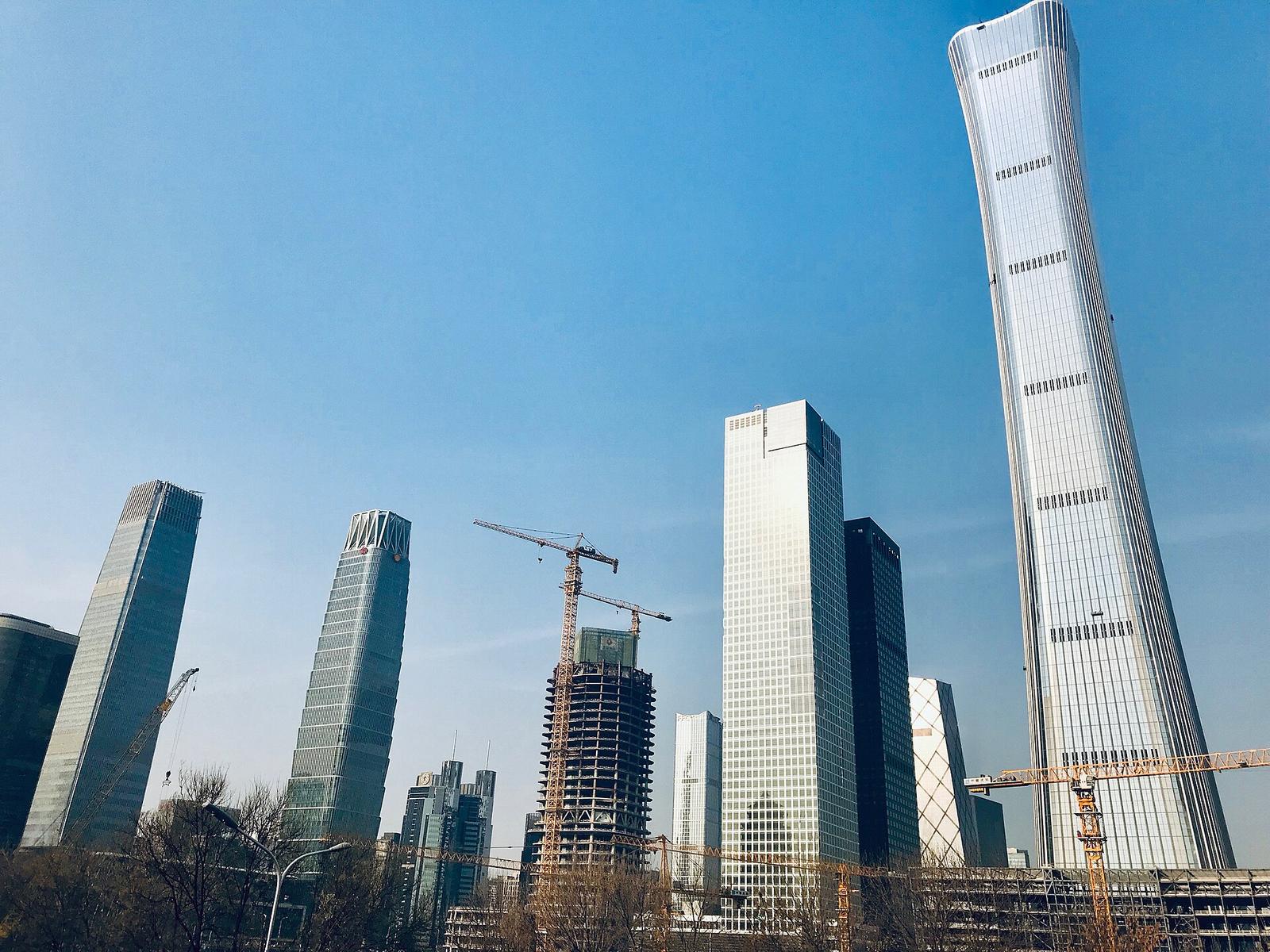
Beijing's urban unemployment rate has held steady at 5.3% through the first two months of 2026, reflecting a relatively stable employment landscape amid wider national trends, according to official statistics from the Chinese government. This steadiness comes at a time when Beijing is balancing the traditional and emerging sectors in its economy, aimed at sustaining growth and managing rising living costs.
Why does this matter now? Stability in job market indicators is critical for maintaining investor confidence, particularly as Beijing continues to position itself as a hub for technology firms, multinational corporations, and high-value industries. These sectors are attracting significant investment but also face challenges including intense competition for talent and pressures from expanding living expenses in the city.
Economic Stability vs. Sectoral Shifts
The Beijing job market does not exist in isolation. National plans released in mid-2026 emphasize stabilizing labor-intensive sectors such as light manufacturing, textiles, and construction, while also expanding opportunities in service-oriented fields like elderly care, childcare, tourism, and catering. These policy directions aim to address both economic stability and demographic changes, particularly an aging population.
Meanwhile, cutting-edge industries including artificial intelligence, semiconductors, fintech, and green energy are driving the fastest hiring growth within Beijing. These sectors not only offer strong salary premiums but also highlight a significant shortage of skilled talent. This talent gap is a critical variable that influences where companies choose to allocate investment capital within the city.
Investment Flow Details and Future Outlook
Beijing’s 2025 targets included creating over 12 million new urban jobs and capping unemployment at 5.5%, signaling the government's robust policy intent to keep employment within manageable bounds despite technological disruptions. The current 5.3% unemployment rate for early 2026 suggests progress toward those goals, though challenges remain, particularly youth unemployment and the affordability pressures impacting the workforce.
Investment flows have clearly tracked these priorities, with firms concentrating capital deployment in high-tech precincts and innovation parks that emphasize AI and green energy R&D, while also maintaining support for sectors critical to social welfare and everyday services. The dual approach reflects a strategic mix: fostering long-term economic transformation while safeguarding jobs in foundational industries.
Looking ahead, businesses and job seekers should focus on sectors receiving policy support and investment incentives. Skill development aligned with AI, fintech, and sustainable energy technologies will be key. Simultaneously, opportunities continue to grow in labor-intensive and care-related jobs, where stability programs are in place to ensure ongoing demand for workers. Understanding these economic indicators and investment patterns can help individuals and companies navigate Beijing’s evolving labor market landscape in 2026 and beyond.
This article is general information only and is not personal financial or investment advice. Consider your own circumstances and seek licensed professional advice before making financial decisions.